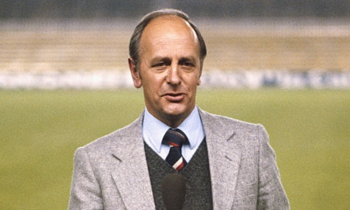
Cycling will be one of the biggest draws at the 2014 Commonwealth Games and Simon Brotherton will be BBC TV’s voice behind the microphone for every race as some of the biggest names in the sport descend on Glasgow.
Best known as one of BBC Sport’s top football commentators, the summer of 2014 has been particularly busy for Simon, having just returned to the UK after spending just over a month in Brazil covering the FIFA World Cup for BBC TV and Radio 5 live.
Simon’s varied sports broadcasting CV for BBC TV and radio includes covering some of the world’s biggest sporting events, having worked on multiple Olympic Games, World Cups, European Championships, Commonwealth Games and the Tour de France, as well as World Series baseball and world championship boxing.
Last year, he succeeded the veteran Hugh Porter as BBC TV’s voice of cycling, having performed the lead commentary role on BBC Radio 5 live’s coverage of the Tour de France for nearly two decades, as well as other major cycling events including World Championships and the Olympics.
As Glasgow’s Games draws ever closer, Simon gives Sport On The Box his verdict on how he thinks the cycling competitions will unfold inside the Sir Chris Hoy Velodrome, as well as his verdict on the continued success of British cycling on the world stage and the growth in cycling as a mode of transport.
.
Follow Simon on Twitter: @SimonBrotherton
.
SOTB: How excited are you about the Commonwealth Games being in Glasgow and the return of a major multi-sport event to the UK, so soon after London 2012?
Simon Brotherton: I’m really looking forward to it now it’s nearly here, but I have to admit until the last couple of weeks my thoughts were focused very much on the World Cup.
I haven’t been to Glasgow for a while but even 18 months ahead of the games I was struck by the commitment and enthusiasm in the city. I remember thinking even then, yes, this will be good.
.
It’s been a busy summer so far for you as many would have heard your voice on the BBC during the World Cup.
How would you sum up your experience of the tournament and what would be your reflections on Brazil’s hosting of the event?
It was my fifth World Cup and without doubt the best, I loved it.
The schedule of matches we had meant I was able to see quite a lot of the country and as luck would have it, the games I covered had plenty of goals and excitement.
A late flight out of Manaus to Fortaleza the day after a match meant we had a few hours for a boat trip on the Amazon which will stay with me forever and on the day we flew home I managed to fit in Christ the Redeemer, Sugar Loaf mountain and a walk along Ipanema beach.
A dozen internal flights passed without enormous queues or any delays and my bag turned up every time which was a bonus!
From a broadcasting perspective it was well organized in the end and I’m now actively looking forward to going back for the Olympics.
The traffic will be doubly horrendous though with so much around Rio and that’s saying something!
.
After four weeks in Brazil, your focus now turns to covering the cycling events at Glasgow 2014. With these two huge events scheduled so close together, as a broadcaster, how do you manage your own preparations?
With difficulty when the weather’s nice and the Tour de France is on!
I needed 4 flights to get home in the end, so it was a tiring finish to a great month and a few days off seemed the best course of action to recharge.
decided to keep the events totally separate, so didn’t really think about Glasgow until the World Cup was over. One event at a time and all that.
I’m ready to go again now though and my commentary notes are coming along nicely.
.
Due to your World Cup commitments, you unfortunately missed out on covering the Tour de France Grand Départ in Yorkshire for Radio 5 live.
From afar, what was your verdict on how the three UK stages went?
I woke up on the Saturday morning in Brasilia to see some fantastic pictures posted on Twitter and got a feel for the atmosphere from people’s tweets.
Organiser Gary Verity has admitted it went better than even he could have imagined in his wildest dreams.
It was a shame to miss out on a special three days for the sport in the UK, but then again I was about to commentate on Lionel Messi playing in the World Cup quarter-final, so you can’t have everything.
.
Alongside your regular Match of the Day/5 live football roles, you’ve covered cycling for two decades, moving across to TV to become the BBC’s lead cycling commentator last year.
How would you compare the differences between commentating on cycling for radio and for TV, and how challenging did you initially find the transition between the two?
The biggest difference is the amount of time you are on air, which can mean commentating for several hours when there’s not much happening at an event like the World road race championship.
That’s a different skill to calling an exciting finish or the ebb and flow of a football match. On the radio we always commentated only on the big races at the track or the evening session if we were doing a commentary with reports and updates on everything else.
At the Tour De France it’s roughly the last hour and a half of the stage, or the business end if you like.
On TV the idea is to provide the most comprehensive service and give people niche choices alongside the main coverage.
Therefore in Glasgow we’ll cover everything that moves live, right down to the qualifying rides for every event.
.
In your time covering the sport, how amazed have you been at the continued rise in the interest of cycling among the British public, coupled with the success of British riders at major international events such as the Olympics and Tour de France?
The status of the sport and it popularity have changed beyond all recognition with the olympic and Tour De France successes playing a key role in inspiring ever larger numbers of people on to their bikes.
In my mind it’s mainstream now. You see so many people out on the road riding around and the crowds at the road side for events in the UK, not just the TDF, but also the tour of Britain and the Women’s tour this year, bear out the levels of enthusiasm.
It’s a million miles away from the situation when I was growing up. We should celebrate cycling and encourage it. It’s good for you and we’re good at it.
.
Who are your tips among the home nations’ cyclists to win gold inside the Sir Chris Hoy Velodrome and on Glasgow Green, and who among the younger riders should viewers be looking out for?
I realise I’m hardly sticking my neck out by suggesting Sir Brad is likely to lead the charge, but it wouldn’t surprise me if he shone again to wide public acclaim in what has so far been a mostly disappointing British sporting summer.
There are many medal hopes among riders from the home nations but among young riders, look out for Katie Archibald from Scotland. Whether she wins or not, you’ll know she’s been in the race.
.
Outside of the Brits, who else from the international field of riders are you looking forward to seeing in action in the velodrome and on the road?
Victoria Pendleton’s great rival Anna Meares is a ten time World Champion and two time Olympic Champion and with retirement just a couple of years away, any chance to see her race is worth taking.
I’m also looking forward to seeing the development of her compatriot Matthew Glaetzer in the sprint.
His bike sprung up into to the air and nearly landed in our commentary box at the Worlds in Colombia earlier this year following a crash.
Fortunately he was OK and we were able to laugh about it while chatting on the flight out a few days later.
.
Just a week after the Games finished, you’ll be once again covering RideLondon for the BBC, cycling’s version of the London Marathon.
What was your verdict on the inaugural event last year and how successful do you think it can be going forward?
I thought the event as a whole was a big success for something in its very first year. To incorporate so many aspects of cycling and include so many people over the two days was a major achievement.
The men’s race needs and should get a stronger field this year and the women’s race will benefit from live network TV coverage and the presence of the best in the world.
I believe it’s future looks good both as an international sporting event and as a mass participation celebration of something so many in the capital do.
Finally, what for you makes the Commonwealth Games unique and do you think Glasgow can create a similar buzz among spectators and the wider public to London 2012?
The rivalry among the home nations is always interesting and it’s a rare chance to achieve international success for places like the Isle of Man, who’ve got some really talented riders of course.
I’m expecting a real buzz around the games, but it’s not the Olympics and it would be unfair to measure it against London 2012. It can be a great event in its own right.
I think the atmosphere in the Velodrome will be quite something though. It’s loud in there with a full house.
.
.
Glasgow 2014 is live across all BBC platforms – TV, radio and online – from July 23.
.
.